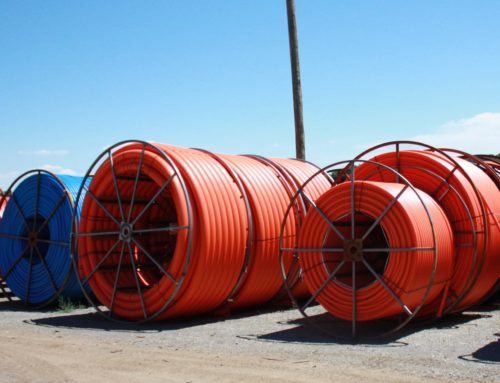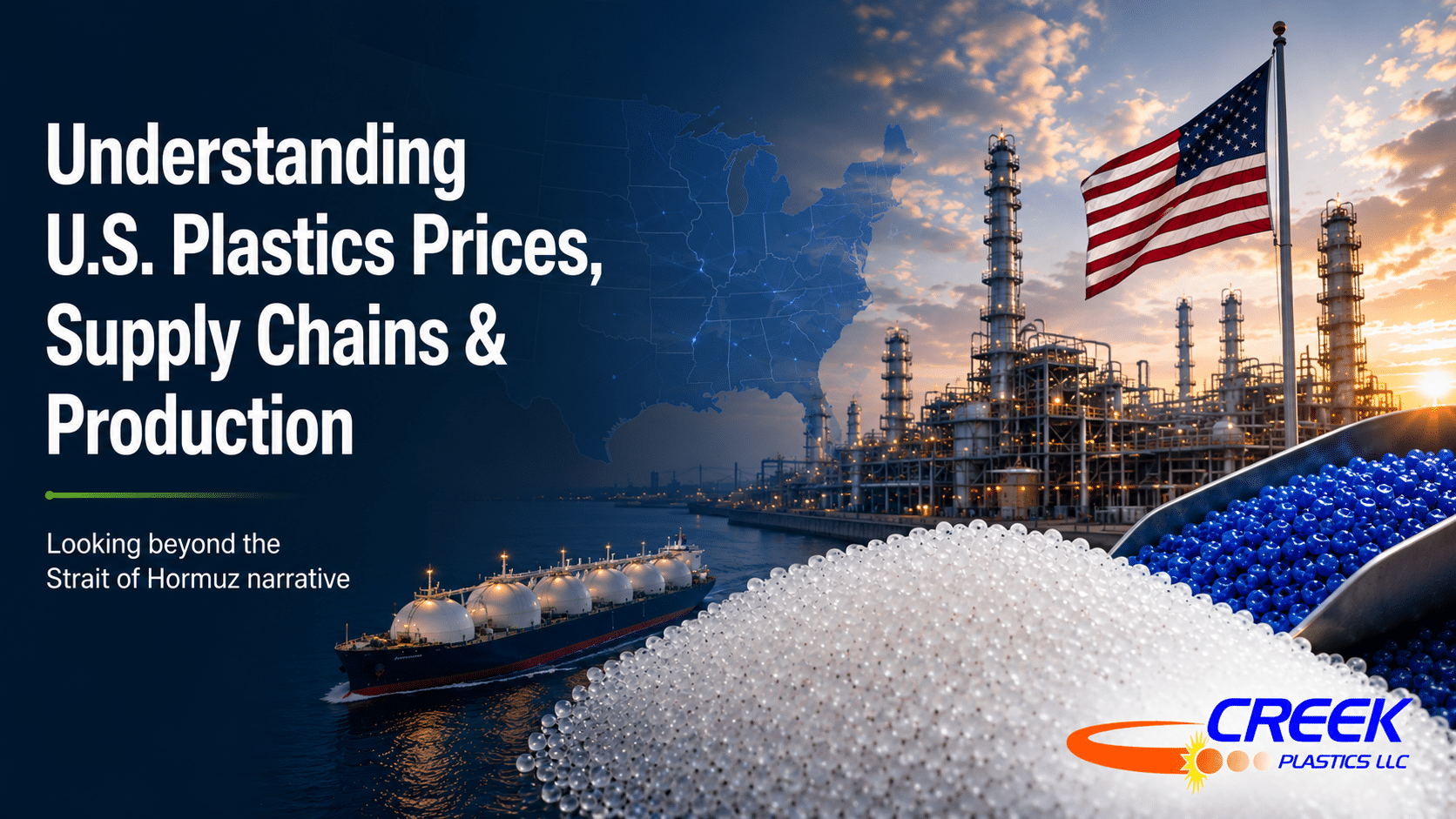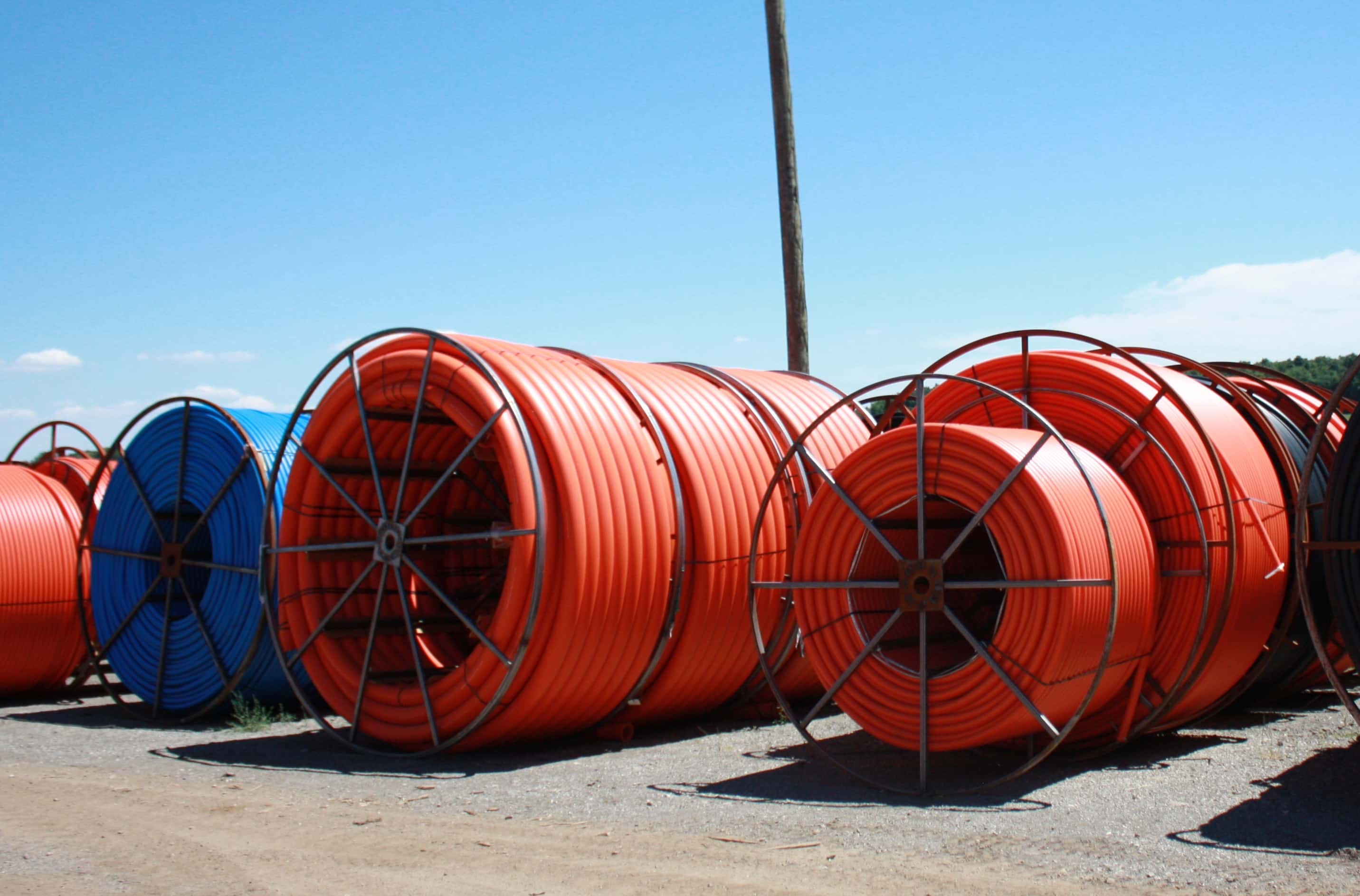
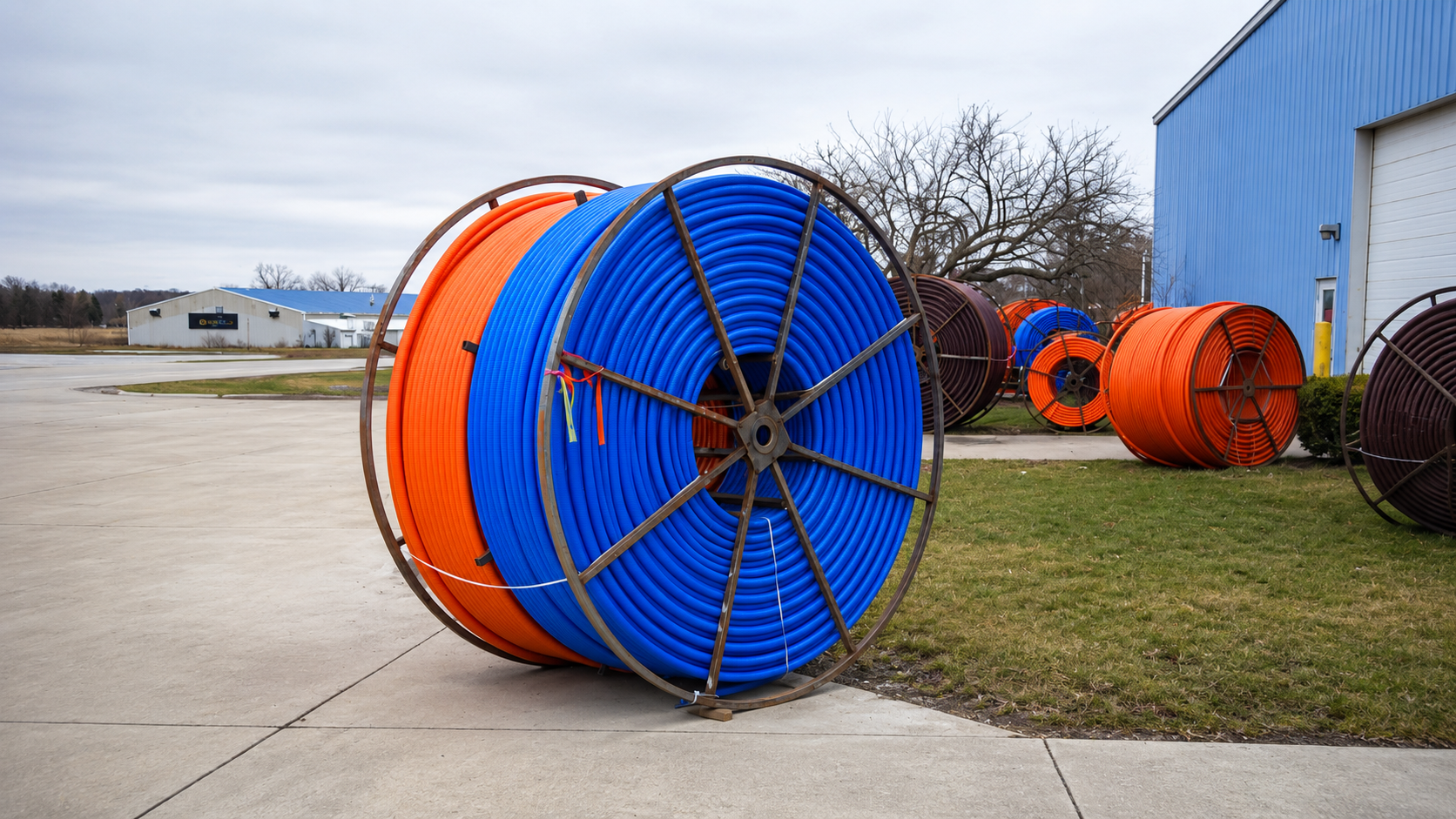
How the Iran Conflict Is Impacting HDPE Conduit Pricing and Supply for Telecom and Utility Projects
Why HDPE Conduit Pricing Is Rising in 2026
Contractors, telecom providers, and utility buyers are continuing to see upward pressure on HDPE conduit pricing in 2026.
While the U.S. remains one of the strongest polyethylene producers in the world, global market conditions are creating tighter domestic supply and increased pricing volatility. The ongoing conflict involving Iran is one of the major factors contributing to these conditions.
For fiber, telecommunications, CATV, and electrical infrastructure projects, understanding these market dynamics is becoming increasingly important for budgeting and planning.
The Global Resin Market Is Affecting Domestic HDPE Pricing
HDPE conduit is manufactured from polyethylene resin.
The key difference in today’s market is how resin is produced globally:
- The U.S. primarily uses natural gas-based production
- Many overseas producers rely on oil-based production
As oil prices rise globally, international resin production becomes more expensive. This increases demand for U.S.-produced polyethylene resin because it remains more cost competitive.
Even though domestic production remains strong, HDPE conduit pricing in the U.S. is still influenced by global demand.
Why U.S. Resin Exports Matter to HDPE Buyers
One of the biggest drivers of current pricing increases is export demand.
As overseas resin prices climb:
- International buyers are paying premium pricing for U.S. resin
- Domestic producers are exporting more material overseas
- Less resin remains available for U.S. manufacturing
For HDPE conduit buyers, this creates tighter supply conditions despite stable domestic production capacity.
In other words, the issue is not necessarily a lack of resin production—it’s where the resin is being sold.
What Telecom and Utility Contractors Are Seeing
Across the telecommunications and utility industries, buyers may continue to experience:
- More frequent conduit price increases
- Longer lead times on certain sizes
- Increased quote volatility
- Reduced inventory availability
- Shorter quote expiration windows
Large infrastructure projects and regional fiber expansion continue to keep demand elevated, adding additional pressure to supply chains.
Why Lead Times Can Change Quickly
Supply conditions can shift rapidly in volatile resin markets.
Factors contributing to longer lead times include:
- Increased export activity
- Transportation and freight delays
- Resin allocation from suppliers
- Sudden swings in oil and polyethylene pricing
For contractors bidding projects months in advance, these market changes can significantly impact profitability if material costs are not secured early.
What Buyers Should Expect Over the Next Few Months
Continued Pricing Volatility
HDPE conduit pricing is expected to remain volatile as long as global energy markets remain unstable.
Stable Production, But Tight Availability
U.S. manufacturers are still producing material consistently, but availability may tighten as export demand increases.
Greater Importance on Forecasting
Manufacturers and distributors will likely prioritize customers with planned forecasts and consistent purchasing schedules.
How Buyers Can Reduce Risk
Lock In Pricing Early
Waiting to purchase material may expose projects to additional price increases.
Forecast Upcoming Demand
Providing estimated project timelines and quantities early can help improve supply planning and material availability.
Work With Reliable Domestic Manufacturers
Strong supplier relationships matter in volatile markets.
Domestic manufacturers like Creek Plastics help telecom and utility contractors by providing:
- U.S.-manufactured HDPE conduit
- Reliable communication on lead times
- Consistent product availability
- Reduced exposure to international shipping disruptions
Why Domestic Partnerships Matter More in Volatile Markets
During unstable market conditions, buyers often benefit from working directly with established domestic manufacturers rather than relying entirely on imported supply chains.
Benefits may include:
- More predictable logistics
- Faster response times
- Better visibility into production schedules
- Improved project planning support
Final Takeaway for HDPE Conduit Buyers
The Iran conflict is impacting more than oil markets—it is affecting global polyethylene supply and demand.
As international buyers compete for U.S.-produced resin:
- Export activity increases
- Domestic resin availability tightens
- HDPE conduit pricing continues to rise
For telecom, CATV, electrical, and utility projects, planning ahead and securing supply early may help reduce pricing and scheduling risks throughout 2026.
Need Reliable HDPE Conduit Supply?
Creek Plastics manufactures high-quality, U.S.-made HDPE conduit for telecommunications, CATV, and electrical applications.
Contact Creek Plastics today to discuss pricing, lead times, and product availability for your next project.