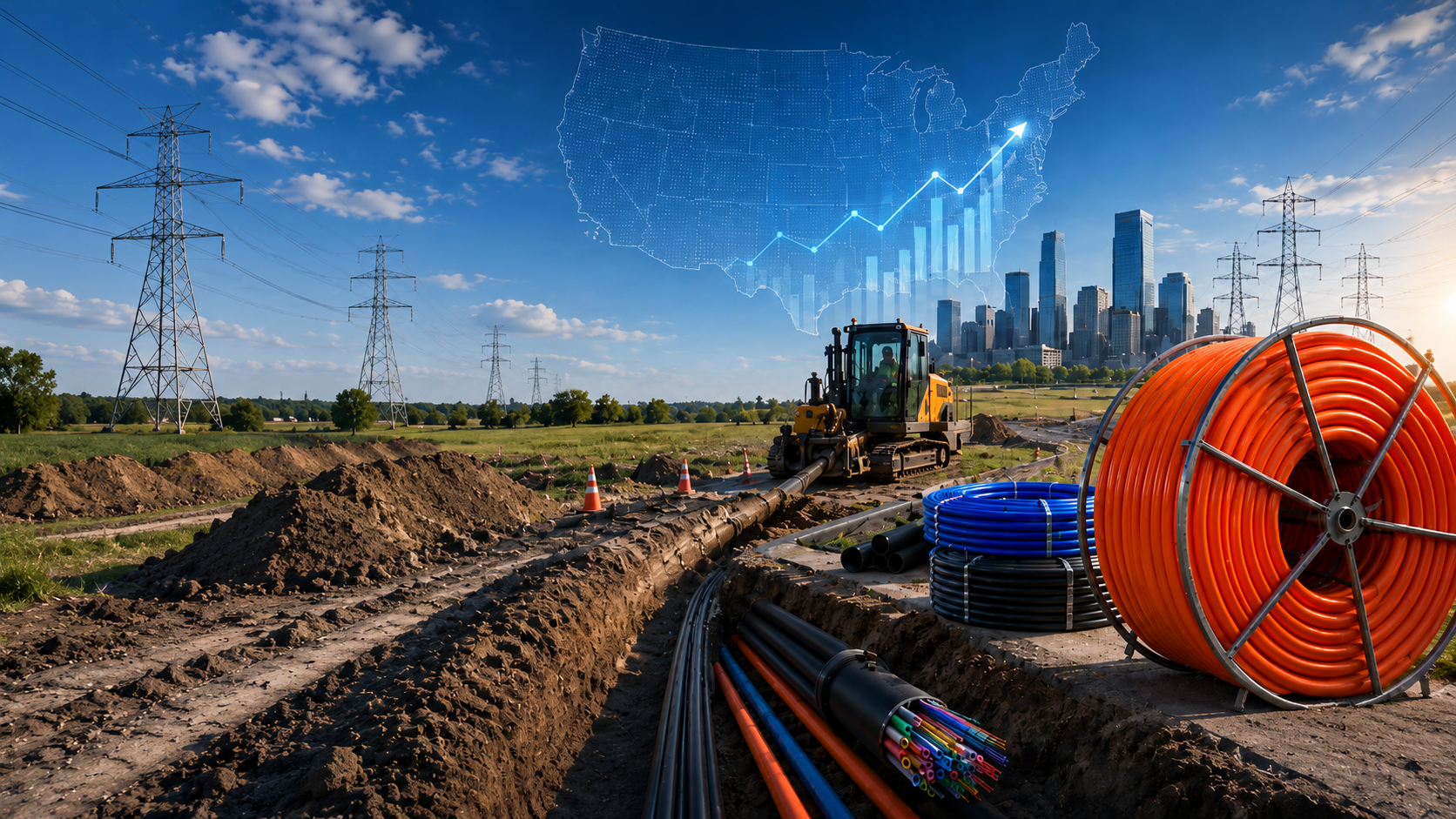
Industry Analyst’s Projections
According to market data from SNS Insider:
“The U.S. HDPE Pipes Market was valued at USD 8.65 billion in 2025 and is expected to reach USD 13.10 billion by 2033, growing at a CAGR of 4.29%”
And According to Fortune Business Insights:
“The global HDPE pipes market size was valued at USD 24.44 billion in 2025. The market is projected to grow from USD 25.76 billion in 2026 to USD 37.93 billion by 2034, exhibiting a CAGR of 5.0% during the forecast period”
But What Does This Mean for HDPE Pricing?
To understand what is driving the HDPE pipe market, you must understand the end markets for HDPE pipe and key trends driving demand.
- Oil and Gas
- Agricultural Irrigation
- Water Supply
- Sewage System
- Other
- Telecommunications and Power
- Industrial and Mining
- Stormwater and Drainage
The Water Supply Pipe segment dominated the HDPE Pipes Market with approximately 42% share in 2025, while the Agricultural Irrigation Pipe segment is the fastest growing due to rising demand for efficient irrigation systems.
What are the Trends Driving Demand in the HDPE Pipe Market?
At its core, HDPE pipe demand is driven by its superiority over alternatives in aspects such as durability and flexibility, corrosion and leak resistance. The current demand for HDPE pipe comes down to consumers preference in these qualities, and increasing conversion to HDPE pipe from other options like PVC.
Some key catalysts to the market include:
- Increasing spending on water and wastewater facilities
- Increasing demand for corrosion-resistant and durable piping solutions
- Expanding uses in the oil & gas, agriculture, and industries segments.
- Demand to serve ongoing federal grant initiatives
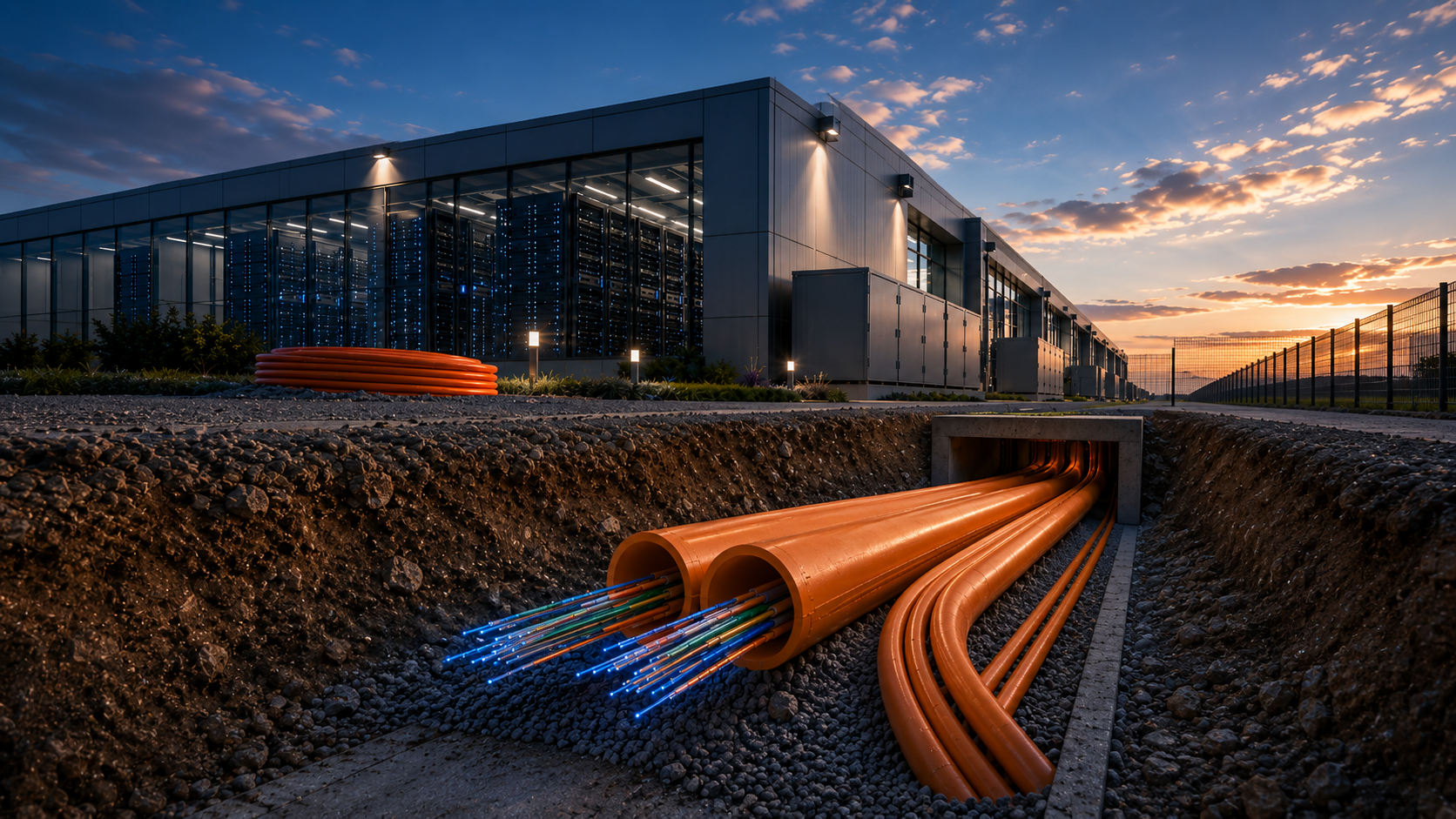
- Demand driven by AI data center infrastructure
Municipal and public utilities represent the largest end consumer for HDPE pipe driven by expansion of urban infrastructure development and smart city projects such as:
- Water Supply and Treatment
- Wastewater and Sewage Management
- Stormwater Drainage and Flood Control
- Energy and Gas Distribution
- Solid Waste Management
Deep Dive into Select Tailwinds for the HDPE Pipe Market
HDPE Pipe Market Driver: Federal Funding for Broadband and Power (IIJA)
- The $1.2 trillion Infrastructure Investment and Jobs Act (IIJA) is currently in its last year of funding. Through different avenues this funding indirectly contributes to the HDPE pipe market by funneling public funds into utility upgrades that rely on HDPE conduit as a protective shield.
- $65 Billion for Broadband Expansion: Targeting high-speed internet access for rural and underserved areas. Flexible HDPE conduit serves as the critical, long-lasting protective layer for these underground fiber optic cables.
- $65 Billion for Power and Grid Modernization: Modernizing the high-voltage electrical grid by routing power lines underground to shield cables from severe weather and corrosive environments. HDPE Pipe is increasingly preferred due to its corrosion-resistant and weather durability.
The Move to Trenchless Technology and Lower Carbon Footprints
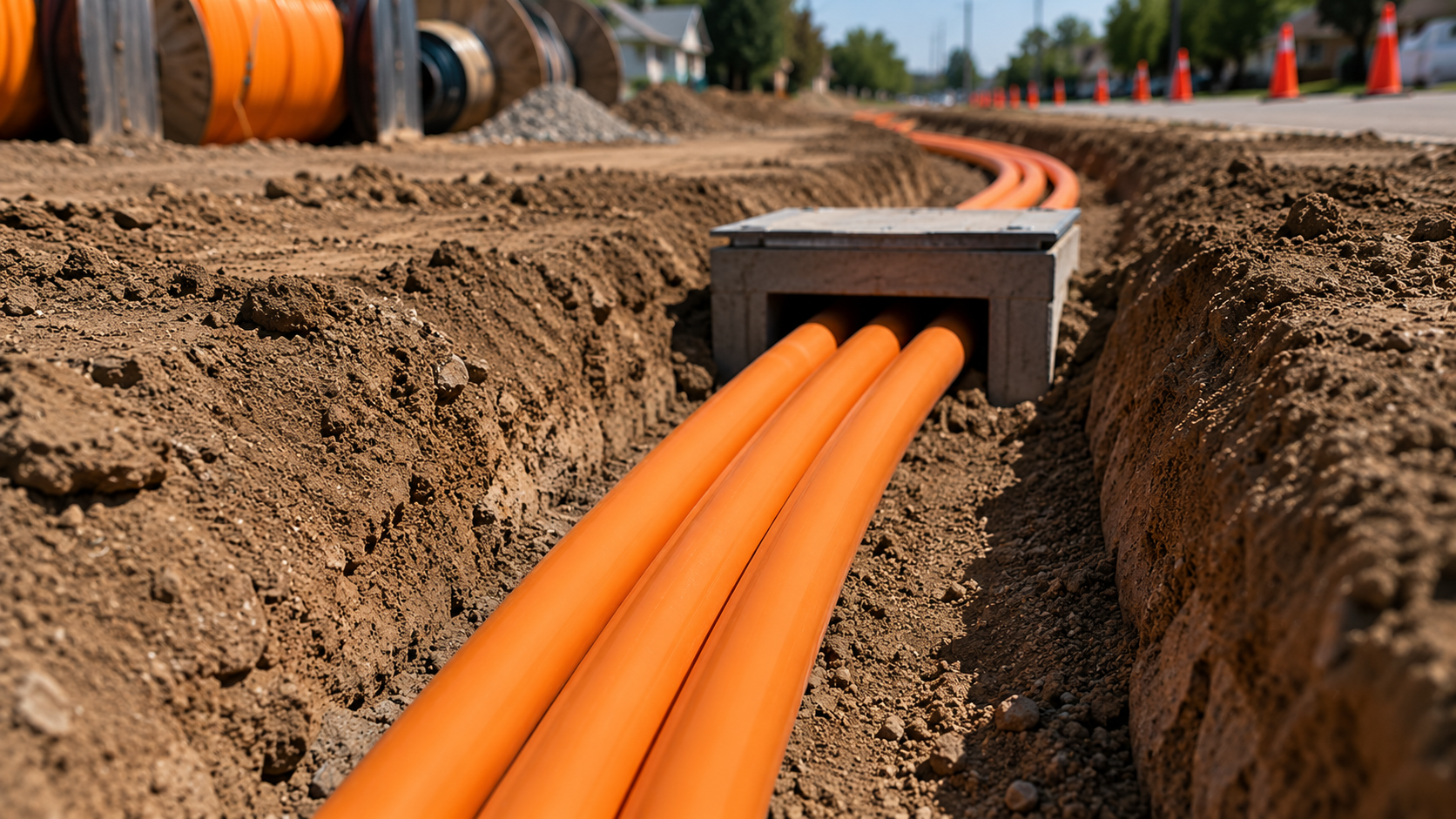
- Engineers and municipalities are increasingly moving away from traditional, highly disruptive “open-cut” excavation in favor of trenchless installation methods like Horizontal Directional Drilling (HDD) and pipe bursting. HDPE pipe is the top option for these methods.
- Research published by PW Trenchless indicates that choosing trenchless technology over conventional open-cut excavation reduces construction phase greenhouse gas emissions by more than 90%.
Future-Proofing Networks with High-Density Microducts
- As 5G backhaul, Fiber-to-the-Home (FTTH), and data center interconnects expand, underground telecom space has become highly congested. Network builders need modular “multi-path” systems to scale capacity incrementally without digging up streets twice.
- Modern fiber is jetted through conduits at high velocities. To support this, HDPE conduits utilize lubricated inner linings (like Silicore) to reduce the internal friction, enabling faster and longer cable blowing distances.
Revolutionizing Pickups: The Creek Plastics Pipe Yard
To help our distributors and contractors keep up with today’s fast-paced timelines, we launched The Pipe Yard . This innovative, automated, cell-powered customer point-of-sale system allows your team or customers to pick up the HDPE conduit they need with 24/7 access . You get total peace of mind, immediate material availability, and zero missed sales.
Ready to Power Your Next Project?
With over 60 years of combined plastics experience, Creek Plastics is proud to supply the durable, BABA-compliant HDPE conduit that connects America’s infrastructure . Whether you need custom lengths, specific colors, or rapid jobsite delivery, we can tool and produce exactly what your project demands.
Disclaimer
This report is provided for informational purposes only and does not constitute business, financial, or purchasing advice. Creek Plastics assumes absolute zero liability for any direct, indirect, or consequential losses, damages, business decisions, or legal claims resulting from the use of or reliance on this material.
The market data, statistics, and industry insights presented herein are compiled and aggregated from external, third-party public sources. Creek Plastics claims no ownership, proprietary rights, or original authorship over this third-party information; all credit, intellectual property, and copyrights belong entirely to their respective original sources and authors. While this information is gathered from sources believed to be reliable, Creek Plastics makes no guarantees regarding its accuracy, completeness, or timeliness.
Furthermore, any quotes, statements, or commentary attributed to specific individuals, public figures, or corporate executives (including those from external companies) are derived from public records, earnings calls, or media reports and are provided “as-is.” Creek Plastics does not warrant the literal accuracy, completeness, or context of these third-party statements and explicitly disclaims any liability for inadvertent misquotes, transcription errors, or mischaracterizations.